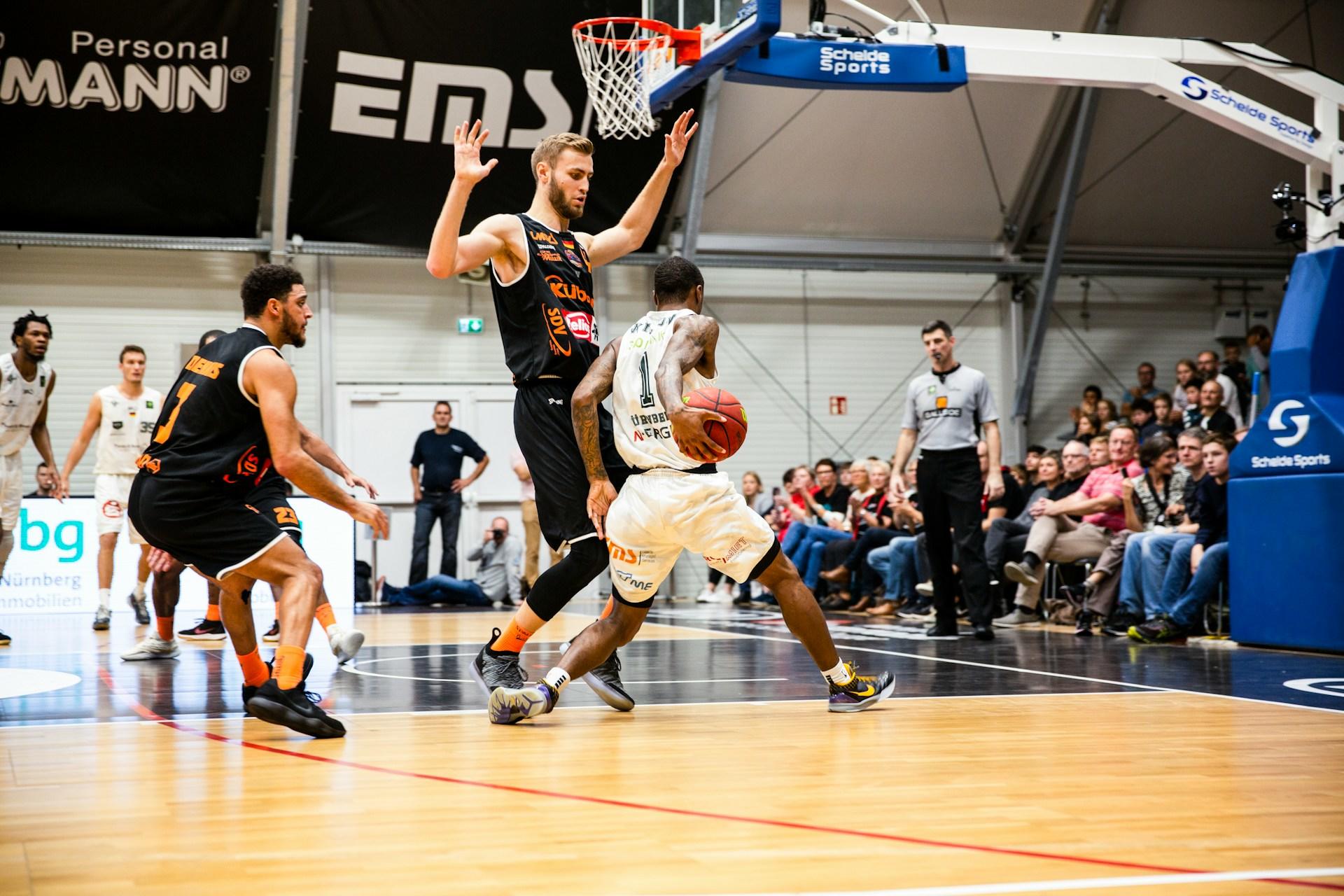
Understanding basketball positions is vital for those who want to improve their game. Every basketball position has distinct roles, each requiring particular skills that are essential to the overall performance of the team. From leading the offensive to protecting the rim, understanding the fundamentals of basketball positions enables players to be more efficient and work more effectively with teammates, and increase their potential.
The basketball positions are crucial in training and getting ready for matches. The players must concentrate on their skills that match their specific role, whether that is shooting, dribbling, rebounding, ng, or defending. Training on basketball courts at home while wearing the correct basketball shoes and knowing the team’s strategy will contribute to having a thorough understanding of basketball positions, which will help players be efficient in every game.
The Five Main Basketball Positions
Basketball positions are generally classified into five major functions: point guard, small forward, shooting garguardower forward, small forward and centre. Each position plays a different role in the play. Guards typically handle the ball and play on the perimeter. Forwardscano balance scoring and defense, and centre players dominate inside scoring and rim protection. Knowing the basketball position will help in the team’s strategy as well as personal development.
Although basketball has evolved to more flexible, non-positionless playing, the five roles listed above remain vital. Players can switch positions throughout the game;s however, the foundation of basketball position guides the decision-making process and ensures that there is an order of play. Through understanding the responsibilities of every position, players are able to improve their performance regardless of their flexibility or aptitude.
Point Guard – The Floor General
Point guards are usually thought of as the “floor general” of the team. This role requires excellent ball-handling abilities, a sharp eye, and a keen sense of the ability to make decisions. Point guards are accountable for carrying the ball onto the court, leading the offense,e and establishing scoring opportunities for their teammates. The knowledge of basketball positions helps the point guards know their vital part in linking strategies and their execution.
Training for a guard’s job involves learning to dribble under pressure, swift passing, and analyzing the defense of opponents. Training on a basketball hoop and spacing drills can help improve the court’s awareness. Being aware of basketball position is vital for helping guards adjust to different situations, manage the team with ease,se and make informed decisions that maximize the performance of each player and the team.
Shooting Guard – The Sharpshooter
Shooting guards are usually the main scorers of the team and long-range shooters. Their job is to find opportunities to shoot, protecting opposing guards, and assisting with the ball’s movement. The knowledge of basketball positions can help aspiring players to know when to shoot, how to shoot towards the basket, and how to read defense effectively.
Being a successful shooting guard demands the ability to shoot accurately, with agility, and smart off-ball movements. Training exercises that increase the accuracy of shooting, defensive apprehension,n and positioning are essential. The ability to recognize basketball positions means that shooters are aware of their role in both offense and defence. Regularly practicing on basketball courts and wearing the correct basketball shoes can improve efficiency and decrease the likelihood of injury.
Small Forward – The Versatile Player
Small forwards are thought to be among the most flexible athletes on court. They can combine speed, as well as agility and size, to rebound, score, and defend various positions. The ability to recognize basketball positions is crucial for smaller forwards since they have to keep a balance between offensive and defensive duties, and often switch between roles depending on the needs of the game.
Small forwards often play inside and outside the box, all of which requires a mix of power and skill. Training involves the shooting of mid-range shots from a distance, protecting different opponents, and rebounding efficiently. Knowing basketball positions allows small forwards to make a difference across the court, helping teams to be balanced and able to adapt, particularly in competitive situations such as those of the British Basketball League.
Power Forward – The Inside Threat
Power forwards perform well in the area of the basket and focus on scoring from inside the basket, rebounding, and defensive position. They require endurance, speed,d and a keen eye to win in the court. Understanding basketball positions can help power forwards comprehend the role they play in supporting the centre as well as controlling rebounding and generating scoring opportunities for their team.
Training for power forwards that is effective includes post-moves as well as shooting from mid-range, footwork for defense, defensive footwork,k and practice with rebounding. The knowledge of basketball positions aids players in adjusting to quick breaks, establishing screens, and helping teammates out. Basketball equipment, including jerseys, shoes, and shorts, can improve the performance and mobility of players. A thorough understanding of basketball positions helps power forwards maximize their effectiveness on offense and defense.
Centre – The Rim Protector
The center is usually the tallest player, and is the core of a team’s defense. The responsibilities include blocking shots as well as playing close to the basket and defending the perimeter. The ability to understand basketball positions allows players to be focused on positioning as well as timing and anticipating players’ movements. This is essential for defensive team play and quick break opportunities.
Centres’ training involves practicing shot-blocking, post maneuver, and securing rebounds. Learning basketball positions can help centres play a key role in team strategies to dominate the paint and keep opponents from scoring easy points. Training on the right basketball courts and wearing durable basketball shoes will ensure that centers can play their part in a safe and efficient manner throughout every game.
Modern Trends in Basketball Positions
Modern basketball is increasingly embracing the concept of positionless play, where players are expected to play various roles. However, the traditional basketball positions are essential in teaching fundamentals, building specific skills, and maintaining the structure of the team. The knowledge of basketball positions allows players to shift roles with no loss of strategic coherence.
Basketball that is not positioned emphasizes versatility as well as speed and adaptability. It is common for players to combine the skills of different positions to cause mismatches and attack the weaknesses of opponents. But having a solid foundation in basketball positions will ensure that players keep their primary abilities, know their roles in the team, and are able to adapt quickly, while still playing effectively.
Essential Gear for Basketball Positions
Every basketball position gets the best equipment available. Basketball shoes improve the performance of players and reduce injuries, and basketball jerseys and shorts increase comfort during strenuous games. Training with a clean basketball hoop and net will ensure accuracy in shots and efficient exercises. The knowledge of basketball positions can help players select the right equipment for their job.
Equipment that is properly designed can help develop skills and improve performance. For instance, point guards might prefer lightweight footwear to increase agility, while centers require a sturdy pair of shoes for rebounding and jumping. Understanding basketball positions and picking the correct equipment improves security and efficiency, allowing players to concentrate on improving their abilities and mastering their position.
Tips for Beginners and Aspiring Basketball Players
Beginners should first understand the basketball positions and select one that is compatible with their strengths. Training on basketball courts close to them, watching basketball players, and focusing on position-specific drills can help improve your abilities quickly. Being aware of basketball positions speeds up learning and helps build confidence when playing.
Training should focus on ball handling, ng shooting, defense, and awareness of position. Examining the top basketball players ever gives insights into the strategies and tactics. Through mastering basketball positions, the aspiring basketball players can develop into versatile, effective,c active, and competitive in any sport, either playing in professional or local league settings.
Conclusion
Basketball positions are the basis of an effective game. From point guards who orchestrate attacks to centers who guard the perimeter, every job needs distinct capabilities and responsibilities. Learning basketball positions can improve individual performance, improve teamwork, and help improve the overall game plan on the court.
The focus of players should be on learning, figuring out their role, and practicing regularly. Utilizing the right equipment and learning from basketball legends can boost performance even more. Understanding basketball positions is crucial for any player who wishes to be a pro at basketball, be it in informal tournaments, leagues for competitive players, or even the British Basketball League.