Engaging in physical activity is a fundamental aspect of maintaining both physical health and mental well-being, regardless of one’s physical ability.
For individuals with disabilities, finding the right athletic environment can be transformative, fostering independence, social connection, and a renewed sense of confidence. However, because each athlete has unique requirements and goals, identifying an appropriate setting requires careful consideration.
Whether you are a beginner looking to explore a new hobby or an experienced athlete seeking competitive opportunities, evaluating the right adaptive sports program is the first step toward a fulfilling experience.
Here are four crucial factors to guide you in choosing an environment that supports your growth and enjoyment.
Assessing the Scope of Sport Offerings
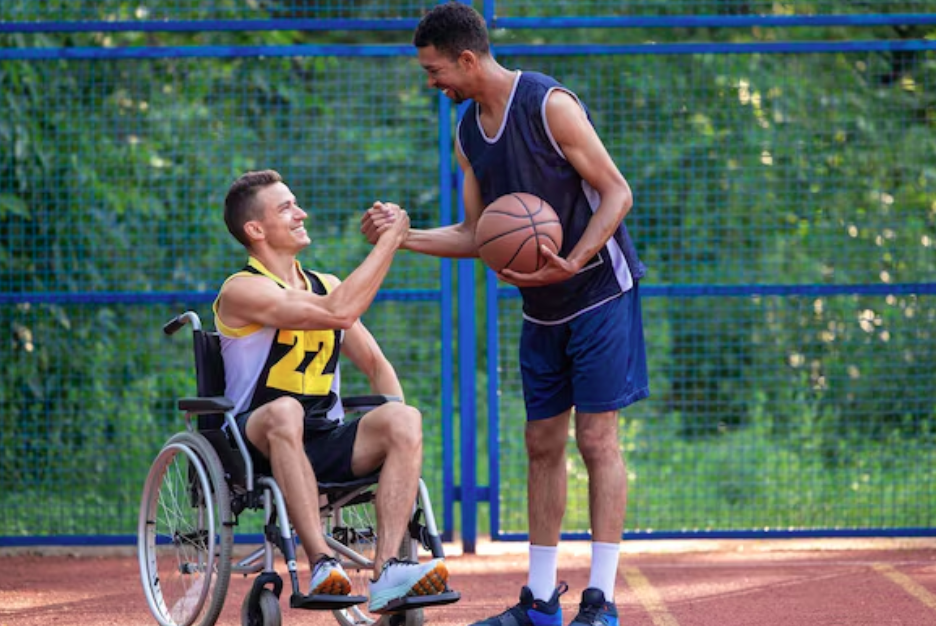
Before committing to any organization, consider the breadth of activities they provide. A high-quality adaptive sports program should offer a variety of options—such as wheelchair basketball, swimming, archery, or tennis—to ensure that athletes can find an activity that aligns with their personal interests and physical capabilities.
If you are uncertain about what you might enjoy, look for organizations that allow trial sessions or have introductory clinics for multiple sports.
Having access to a diverse range of activities not only prevents boredom but also allows you to develop a well-rounded fitness regimen while discovering which movements and team dynamics suit your personality best.
Evaluating Equipment Quality and Accessibility
Specialized equipment is the backbone of successful athletic participation in this field. A reputable adaptive sports program must maintain well-functioning, safe, and appropriate gear, such as specialized wheelchairs, adaptive rowing shells, or custom sporting aids.
During your initial visit, inspect the quality of the equipment and ask how it is maintained or adjusted for individual fit. Furthermore, evaluate the accessibility of the facility itself, including the parking, locker rooms, and field of play.
A program that prioritizes the maintenance of its gear demonstrates a commitment to athlete safety and provides the necessary tools for you to perform at your personal best.
Qualified Staff and Coaching Expertise
The guidance you receive will significantly impact your progress and overall safety. Look for coaches and instructors who possess specific training in adaptive techniques and understand the nuances of various disabilities.
A knowledgeable staff member will know how to modify drills, adapt game strategies, and provide constructive feedback that encourages skill acquisition without placing you at risk of injury.
When you engage with an adaptive sports program, do not hesitate to ask about the certifications of the coaching staff. Expert guidance ensures that you are learning proper biomechanics and strategy, which helps you build a strong foundation for long-term athletic success.
Focus on Inclusion and Social Dynamics
Beyond the physical benefits, the social environment is a major draw for many athletes. Consider the culture of the team or group to determine if it aligns with your expectations for social interaction. Are there opportunities for camaraderie outside of the official training hours?
Does the program foster an inclusive atmosphere where athletes of all experience levels feel welcomed and valued?
A vibrant social environment is essential for motivation, as it turns training sessions into opportunities for building lasting friendships and community support. Choosing a group that encourages a positive, inclusive culture will keep you motivated to attend regularly.